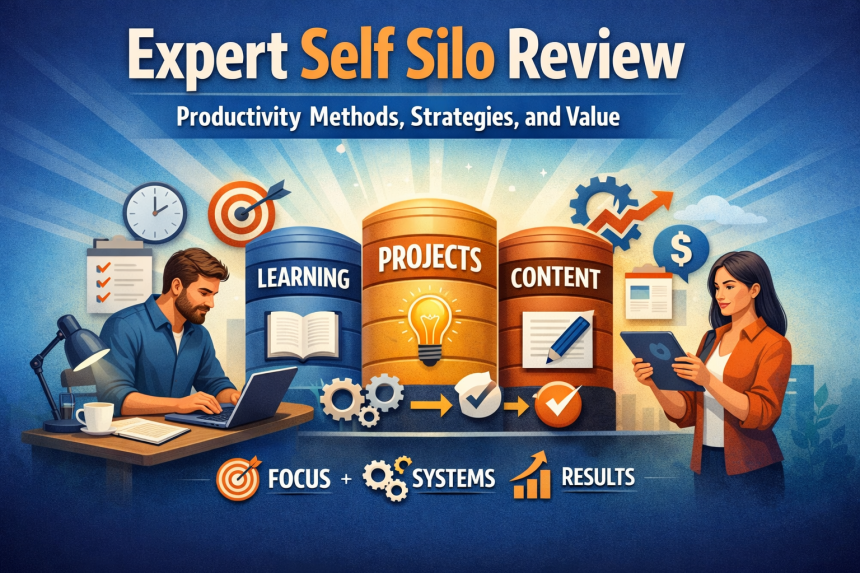
Modern digital work demands focus, structure, and repeatable systems. Endless notifications, scattered tools, and unclear priorities drain energy and reduce output. Many professionals search for frameworks that bring clarity without complexity.
- What Expert Self Silo Means in the Productivity Context
- Core Philosophy Behind Expert Self Silo
- Productivity Methods Used Inside Expert Self Silo
- Strategic Structure of Expert Self Silo
- User Experience and Learning Curve
- Real Productivity Gains With Expert Self Silo
- Value Assessment of Expert Self Silo
- Comparison With Traditional Productivity Systems
- Strengths of Expert Self Silo
- Potential Limitations
- Who Benefits Most From Expert Self Silo
- Implementation Tips for Best Results
- SEO Perspective and Digital Efficiency
- Psychological Impact of Silo-Based Productivity
- Expert Self Silo and Future Work Trends
- Frequently Asked Questions
- Conclusion
Expert Self Silo enters this space with a promise of streamlined productivity, strategic focus, and measurable value. This in-depth review explores how Expert Self Silo works, which productivity methods drive results, what strategies users apply daily, and how much real value the system delivers for creators, entrepreneurs, and professionals.
What Expert Self Silo Means in the Productivity Context
Expert Self Silo centers around a structured approach to personal productivity. The concept focuses on building independent “silos” of expertise, habits, and workflows. Each silo supports deep work, skill development, and goal alignment without interference from unrelated tasks.
Rather than multitasking across projects, users create focused systems. Every system contains defined objectives, routines, tools, and metrics. This structure reduces cognitive overload and increases consistency.
Expert Self Silo works well for people managing complex responsibilities, digital businesses, creative projects, or knowledge-based careers.
More Read: The Complete StudyPiece Review: Features, How-Tos, and Expert Tips
Core Philosophy Behind Expert Self Silo
Expert Self Silo relies on three guiding principles:
Focus Over Fragmentation
Attention remains the most valuable resource. Expert Self Silo trains users to protect focus through deliberate boundaries. Tasks stay grouped by purpose, energy level, and outcome.
Systems Over Motivation
Motivation fluctuates. Systems remain stable. Expert Self Silo emphasizes repeatable workflows that function even during low-energy periods.
Long-Term Skill Compounding
Each silo supports skill growth. Over time, knowledge compounds, output quality improves, and confidence rises.
These principles shape every productivity method inside the framework.
Productivity Methods Used Inside Expert Self Silo
Expert Self Silo uses proven productivity techniques adapted into a cohesive system. Each method supports deep work and sustainable performance.
Time Blocking With Purpose
Time blocking plays a central role. Users assign specific time windows to each silo. Instead of reactive scheduling, days follow intentional plans.
Time blocks align with energy rhythms. Creative work happens during peak focus hours. Administrative work fills lower-energy periods. This alignment reduces burnout and increases task completion rates.
Single-Task Execution
Expert Self Silo discourages multitasking. Each work session targets one objective inside one silo. This approach increases speed, accuracy, and mental clarity.
Research consistently shows that task switching reduces efficiency. Expert Self Silo removes that friction.
Outcome-Based Planning
Tasks connect directly to outcomes. Rather than long to-do lists, users define clear deliverables. Each work session moves a project closer to completion.
Outcome-based planning supports momentum and reduces busywork.
Weekly Silo Reviews
Weekly reviews strengthen accountability. Users assess progress inside each silo, identify bottlenecks, and refine workflows. This feedback loop prevents stagnation and encourages continuous improvement.
Strategic Structure of Expert Self Silo
Productivity systems fail without structure. Expert Self Silo provides a clear strategic framework that adapts to different lifestyles and goals.
Silo Definition Phase
Users begin by defining silos. Common examples include:
- Career development
- Content creation
- Business operations
- Learning and education
- Health optimization
Each silo receives a specific purpose and success metric. Clear definitions prevent overlap and confusion.
Tool Alignment Strategy
Expert Self Silo promotes minimal tool usage. Each silo uses only essential tools. This reduces distraction and simplifies workflows.
For example, a content creation silo might include a writing app, research database, and publishing checklist. No extra tools enter the system without a clear justification.
Habit Integration Strategy
Habits anchor silos into daily life. Small, consistent actions maintain momentum. Expert Self Silo encourages habit stacking, where new behaviors attach to existing routines.
This approach increases adherence and reduces resistance.
Priority Calibration
Not all silos receive equal attention at all times. Expert Self Silo includes priority calibration strategies. Users adjust focus based on season, goals, or workload changes.
This flexibility prevents guilt and overload.
User Experience and Learning Curve
Expert Self Silo feels intuitive once principles become familiar. Initial setup requires thoughtful planning. Users define goals, identify silos, and design workflows.
The learning curve remains manageable. Clear documentation and step-by-step guidance support implementation. Users who enjoy structure adapt quickly. Creative professionals appreciate flexibility within boundaries.
Daily usage feels natural rather than restrictive. Over time, the system fades into the background while results become visible.
Real Productivity Gains With Expert Self Silo
Many users report noticeable improvements across several areas:
Increased Output Quality
Focused work sessions lead to deeper thinking and better results. Writing improves. Strategic decisions gain clarity. Creative output feels more refined.
Reduced Mental Fatigue
Clear boundaries reduce decision fatigue. Users spend less energy choosing tasks and more energy completing meaningful work.
Better Time Awareness
Time tracking inside silos reveals patterns. Users identify wasted time and optimize schedules accordingly.
Higher Completion Rates
Projects reach completion faster. Fewer ideas remain unfinished. This builds confidence and motivation.
Value Assessment of Expert Self Silo
Value depends on results, sustainability, and adaptability. Expert Self Silo performs well across all three dimensions.
Long-Term Sustainability
The system avoids extreme productivity tactics. Balanced workflows support long-term use without burnout. Users build sustainable habits rather than short-term hacks.
Adaptability Across Professions
Expert Self Silo adapts to many roles:
- Entrepreneurs managing multiple ventures
- Freelancers balancing clients and growth
- Knowledge workers handling complex projects
- Creators producing consistent content
Customization ensures relevance across industries.
Return on Time Investment
Setup time pays dividends. Once silos operate smoothly, daily planning becomes faster. Output increases without longer work hours.
Comparison With Traditional Productivity Systems
Traditional systems often rely on task lists, inbox zero methods, or rigid schedules. Expert Self Silo differs in several ways:
- Focus on expertise development rather than task volume
- Emphasis on systems rather than willpower
- Flexible structure rather than rigid routines
These differences make Expert Self Silo appealing to people seeking depth rather than speed alone.
Strengths of Expert Self Silo
Several strengths stand out:
- Clear structure without micromanagement
- Strong alignment with deep work principles
- Encouragement of skill mastery
- Reduced distraction and mental clutter
- Scalable system for growing responsibilities
These strengths explain why many professionals adopt the framework long-term.
Potential Limitations
No system fits everyone. Expert Self Silo may challenge certain users:
- People who prefer spontaneous workflows
- Users are resistant to upfront planning
- Roles requiring constant interruption
However, even partial adoption offers benefits. Many users start with two or three silos rather than a full system.
Who Benefits Most From Expert Self Silo
Expert Self Silo suits individuals who value intentional work and long-term growth. Ideal users include:
- Entrepreneurs building expertise-based brands
- Writers, designers, and developers
- Coaches and consultants
- Professionals transitioning into leadership roles
People seeking quick productivity tricks may find the system too thoughtful. Those seeking lasting improvement often appreciate the depth.
Implementation Tips for Best Results
Successful adoption depends on thoughtful execution. Several practices improve outcomes:
Start Small
Begin with two silos. Expand gradually. Early wins build confidence.
Keep Silos Simple
Avoid overcomplication. Each silo needs clarity, not complexity.
Review Weekly
Regular reflection maintains alignment and progress.
Protect Focus Time
Treat silo sessions as non-negotiable appointments.
These practices support consistency and long-term success.
SEO Perspective and Digital Efficiency
From an SEO and digital workflow perspective, Expert Self Silo supports content consistency and strategic output. Content creators benefit from dedicated silos for research, writing, editing, and distribution.
This separation improves content quality and publishing cadence. Over time, authority grows within specific niches. Search engines reward consistent, focused expertise.
Psychological Impact of Silo-Based Productivity
Beyond output, Expert Self Silo influences mindset. Clear structure reduces anxiety. Defined goals increase confidence. Progress becomes visible and measurable.
Users experience a stronger sense of control over work and time. This psychological benefit often proves as valuable as productivity gains.
Expert Self Silo and Future Work Trends
Remote work, creator economies, and digital entrepreneurship continue expanding. These trends demand self-management skills. Expert Self Silo aligns well with future work environments.
As roles become more self-directed, structured autonomy grows essential. Expert Self Silo offers a framework that balances freedom with discipline.
Frequently Asked Questions
What is Expert Self Silo?
Expert Self Silo is a productivity framework focused on structured work systems, deep focus, and long-term skill development.
How does Expert Self Silo improve productivity?
It reduces distractions by organizing work into focused silos, helping users complete tasks with clarity and consistency.
Who should use Expert Self Silo?
Entrepreneurs, freelancers, creators, and professionals managing complex or independent work benefit most.
Does Expert Self Silo require special tools?
No, it works with minimal tools and emphasizes simple, intentional workflows.
How long does it take to see results?
Many users notice better focus and output within a few weeks of consistent use.
Is Expert Self Silo suitable for beginners?
Yes, beginners can start with a few silos and expand as they gain confidence.
What makes Expert Self Silo valuable?
Its long-term sustainability, focus on expertise, and adaptable structure deliver lasting productivity gains.
Conclusion
Expert Self Silo delivers meaningful productivity improvements through structure, focus, and strategic clarity. The system prioritizes depth, sustainability, and long-term skill growth. Users willing to invest time into setup and reflection often experience significant returns.
For professionals seeking more than surface-level productivity hacks, Expert Self Silo offers a thoughtful, adaptable, and valuable approach to modern work.